
What to Consider Before Enrolling in a Digital Marketing Course
Choosing a digital marketing course is an important career decision, especially when there are so many institutes, online programs, and training optio

Zeon Academy
Sep 3, 20261m read

Zeon Academy
Digital marketing has become one of the most dynamic career fields in the modern business world. As companies invest more heavily in search engines, social media, content, paid advertising, email campaigns, and online branding, the demand for skilled digital marketing professionals continues to grow. At the same time, rising demand has resulted in intense rivalry among contenders. Having an interest in marketing is no longer enough to stand out. Employers want people who understand digital platforms, know how to interpret performance data, and can apply marketing strategies in practical situations.
This is where professional certifications can make a meaningful difference. A certification does not automatically guarantee a job, but it can demonstrate that a candidate has invested time in learning a particular skill and understands the fundamentals of using a digital marketing platform or strategy. For students, fresh graduates, career changers, and working professionals, certifications can strengthen a resume and provide a structured path for developing relevant skills.
For learners searching for quality training, choosing the Best digital marketing institute in kerala can also be an important step toward building a strong foundation. A good training environment can help learners understand concepts, practise them through projects, and prepare for certifications that are recognised within the industry.
Digital marketing certifications are credentials awarded after completing a course, assessment, examination, or structured learning programme. They are designed to validate knowledge in a particular area of digital marketing. Some certifications focus on a specific platform, while others cover broader marketing concepts.
Search engine optimisation, social media marketing, Google Ads, analytics, content marketing, email marketing, and inbound marketing are a few areas where professionals can develop certified expertise. The value of a certification depends on the organisation providing it, the relevance of the skill, the difficulty of the assessment, and how closely the knowledge applies to real marketing work.
It is important to understand that certifications and academic qualifications are not the same. A degree may provide broad knowledge over several years, whereas a certification usually focuses on a particular skill or discipline. Digital marketing is a practical field, so combining formal education with certifications and hands-on experience can create a stronger professional profile.
The digital marketing job market attracts candidates from many educational backgrounds. A marketing graduate may compete with a business graduate, a communications student, a computer science graduate, or someone who has moved into marketing after working in another industry. Because of this diversity, employers often look beyond academic qualifications when evaluating candidates.
A relevant certification can act as evidence of additional learning. When a recruiter sees a recognised credential related to Google Ads, analytics, SEO, or another marketing discipline, it can indicate that the candidate has taken the initiative to develop practical knowledge.
Certifications can also help employers identify candidates who are serious about their chosen career. Completing an assessment requires preparation, consistency, and a willingness to learn. These qualities are valuable in digital marketing because platforms and strategies change frequently.
However, certifications should support skills rather than replace them. A candidate with several certificates but no practical understanding may struggle during an interview or workplace assignment. The strongest profile combines certification with projects, analytical thinking, communication skills, and real campaign experience.
Digital marketing is not a single skill. It is a collection of interconnected disciplines. A professional may eventually specialise in SEO, paid advertising, social media, content, analytics, or another area. Certifications can help learners explore these fields systematically.
For example, an analytics certification can introduce concepts related to website traffic, conversions, user behaviour, events, and campaign measurement. An advertising certification can help learners understand targeting, bidding, campaign structures, audience selection, and performance evaluation. SEO-focused learning can develop knowledge of search intent, technical optimisation, content quality, keyword research, and website authority.
This structured approach is useful for beginners because digital marketing can initially feel overwhelming. Rather than trying to learn everything at once, learners can build knowledge step by step and gradually identify the area that interests them most.
A resume has limited space to communicate a candidate’s abilities. Educational qualifications provide one part of the story, while work experience and projects provide another. Certifications can add another layer by showing evidence of focused learning.
For entry-level candidates, this can be particularly valuable. Someone with limited professional experience may not have an extensive list of campaigns or clients to present. Relevant certifications can demonstrate that the candidate has already started developing industry-related skills.
The way certifications are presented also matters. Instead of simply listing a long collection of certificates, candidates should highlight credentials that directly relate to the position they are applying for. A person applying for a performance marketing role, for instance, should prioritise relevant advertising and analytics certifications rather than filling the resume with unrelated courses.
A strong resume can combine certifications with measurable projects. Mentioning that a learner completed a campaign simulation, analysed website traffic, created a content strategy, or developed a social media plan can make the certification more meaningful.
Learning digital marketing through random online videos and articles can be useful, but it can sometimes create gaps in understanding. Certifications often provide a structured learning path that encourages students to study concepts in a logical sequence.
The preparation process itself can improve confidence. When learners study a topic, practise questions, complete exercises, and eventually pass an assessment, they receive confirmation that they have understood important concepts. This confidence can be helpful during interviews and workplace discussions.
More importantly, certification preparation can encourage professionals to stay updated. Digital marketing platforms frequently introduce changes to advertising interfaces, measurement systems, algorithms, privacy practices, and campaign features. Continuous learning is therefore a necessary part of a successful marketing career.
Not every certification has equal value. Learners should avoid collecting certificates simply to make their resumes look impressive. The better approach is to choose credentials that match their career goals and provide useful knowledge.
Before enrolling in a certification programme, consider:
Whether the certification is issued by a recognised organisation or platform.
Whether the skills covered are relevant to the job role you want.
Whether the programme includes assessments or practical learning.
Whether the knowledge can be applied to real campaigns and projects.
Whether the certification needs periodic renewal or updating.
A thoughtful certification strategy is far more useful than collecting credentials without a clear purpose.
Professional training can make certification preparation easier because learners have access to guidance, structured lessons, practical exercises, and feedback. Instead of studying every concept independently, students can learn from instructors who understand how different digital marketing channels work together.
A quality training programme should go beyond examination preparation. Learners need opportunities to work on realistic projects, analyse marketing data, create campaigns, develop content strategies, and understand how businesses measure results. This experience makes certification knowledge more practical.
Students considering the best digital marketing course in kerala should therefore look beyond the number of modules or certificates included in a programme. The quality of instruction, practical exposure, updated curriculum, project work, and career support can have a much greater impact on long-term development.
One of the biggest mistakes beginners make is believing that certifications alone are enough to secure a digital marketing job. Employers usually want evidence that a candidate can apply knowledge to real situations.
Imagine two candidates applying for a junior SEO position. One candidate has completed several SEO certifications but has never worked on a website. The second candidate has one recognised certification and has also performed keyword research, optimised sample pages, studied competitors, monitored rankings, and prepared an SEO report for a practice project. The second candidate may have a stronger story to tell during an interview.
This is why learners should treat certifications as a foundation rather than the final destination. Every new concept should ideally be followed by practice. Creating a personal website, running a small content project, analysing social media performance, developing a mock advertising campaign, or assisting a local business can help turn theoretical knowledge into practical ability.
The benefits of certifications do not stop after getting the first job. They can also help with long-term career development. As professionals gain experience, they may move from execution-focused positions into specialist, strategist, analyst, or managerial roles.
A professional working in paid advertising, for example, may eventually handle larger budgets and more complex campaigns. Additional learning can help that person understand advanced measurement, audience strategies, attribution, and campaign optimisation. Similarly, an SEO professional can continue developing knowledge of technical SEO, content strategy, analytics, and search trends.
Certifications can therefore become part of a continuous professional development plan. Instead of treating them as something to complete once, professionals can use them to identify knowledge gaps and prepare for their next career stage.
Digital marketing is also attractive to people who want to transition from another profession. A career changer may already possess valuable transferable skills but lack formal digital marketing experience.
For example, someone from sales may have strong communication and customer relationship skills. A content writer may already understand storytelling and audience engagement. A designer may have creative expertise that can support social media and advertising work.
Certifications can help these professionals add digital marketing knowledge to their existing abilities.
This combination can create a distinctive professional profile. Rather than starting completely from scratch, career changers can build on what they already know while developing new technical and strategic capabilities.
Although certifications have many benefits, professionals should avoid focusing entirely on certificates. The digital marketing industry values results, creativity, adaptability, and problem-solving. A certificate can open a conversation, but practical competence helps sustain it.
Candidates should be able to explain what they learned and how they would apply it. During interviews, employers may ask questions that test understanding rather than simply checking whether a certificate exists. They may also provide a practical task to evaluate how a candidate approaches a marketing problem.
Therefore, every certification should ideally lead to something practical. After completing a course, create a project, document the process, analyse the results, and add the experience to your portfolio. This creates a stronger connection between learning and employability.
A successful digital marketing career is built through continuous learning rather than one qualification. Certifications can provide structure, but experience provides context. Projects demonstrate application, while communication skills help professionals explain their ideas to clients and colleagues.
A practical career-building approach can involve learning core marketing concepts, completing relevant certifications, working on personal or academic projects, gaining internship experience, developing a portfolio, and continuing to learn as platforms evolve. This combination can help candidates become more confident and adaptable. It also prepares them for a workplace where marketers are expected to understand both creative and analytical aspects of business growth.
Certifications have become valuable assets for people pursuing careers in digital marketing. They can demonstrate focused learning, strengthen resumes, build confidence, and help professionals develop specialised knowledge. For beginners, they offer a structured way to understand different areas of digital marketing. For experienced professionals, they can support continuous learning and career progression.
Still, certification should never be viewed as a substitute for practical experience. The best digital marketing experts blend recognized learning with real-world experience, analytical thinking, creativity, communication skills, and a readiness to adapt. When these elements work together, certifications become more than credentials on a resume—they become part of a broader professional development journey.
For anyone planning to enter the industry, selecting the best digital marketing institute in kerala can provide a strong starting point, especially when the programme combines certification preparation with practical training. With the right learning environment, relevant certifications, and consistent hands-on practice, aspiring marketers can build the skills and confidence needed to move towards a rewarding digital marketing career.
Choosing a digital marketing course is an important career decision, especially when there are so many institutes, online programs, and training optio
Zeon Academy
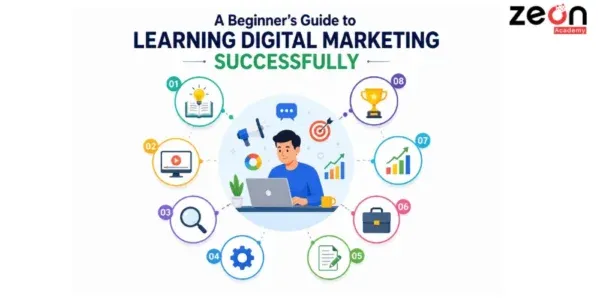
Digital marketing has become one of the most valuable skills for students, job seekers, entrepreneurs, and professionals. As businesses increasingly d
Zeon Academy

Digital marketing has become one of the most important career fields in India as businesses continue to move their operations, communication, and cust
Zeon Academy
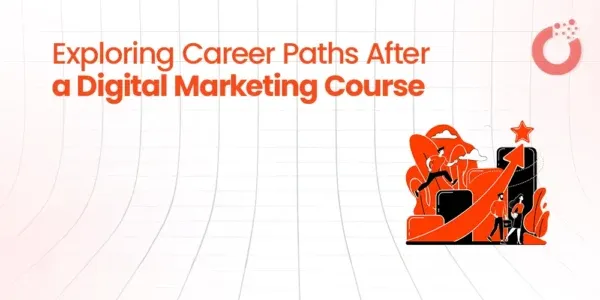
Digital marketing has become one of the most important parts of modern business. As customers spend more time searching, shopping, communicating, and
Zeon Academy

Digital marketing is changing faster than ever. Search engines are becoming smarter, social platforms are relying heavily on algorithms, and customers
Zeon Academy

Digital marketing has become one of the fastest-growing career fields in recent years. Businesses of every size are investing heavily in online advert
Zeon Academy

Digital marketing has become one of the most promising career paths for students, entrepreneurs, freelancers, and working professionals. Businesses of every size rely on digital channels to
Zeon Academy
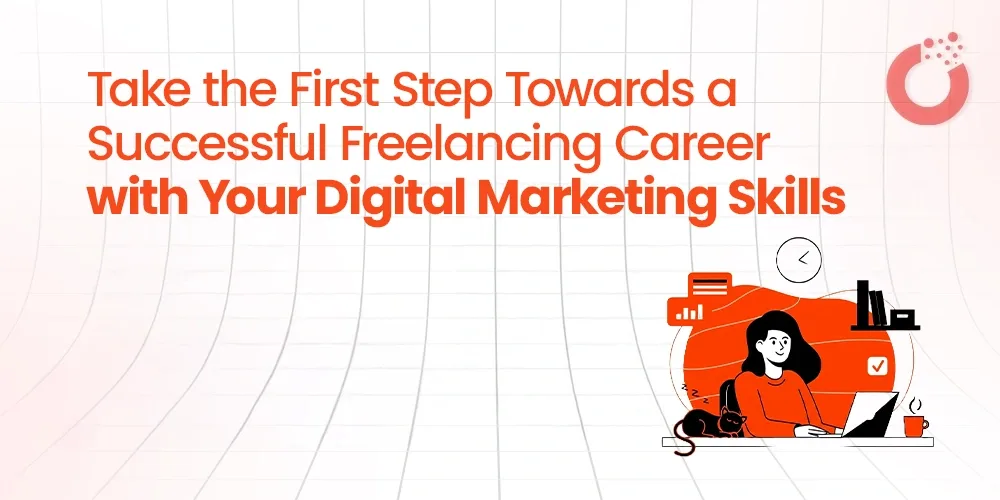
Digital marketing has become one of the most attractive career choices for students, professionals, entrepreneurs, and career changers. As businesses continue to shift their focus toward onl
Zeon Academy

https://www.zeonacademy.com/course/ Choosing the right digital marketing course can shape your career, whether you're a student, working professional, entrepreneur, or freelancer. With the r
Zeon Academy
Digital marketing is one of the fastest-growing career fields today, offering opportunities across industries such as e-commerce, healthcare, education, real estate, technology, and entertai
Zeon Academy

Digital marketing has changed significantly over the last few years. Businesses no longer run advertisements just to get traffic; they run advertisements to generate measurable results such
Zeon Academy
Imagine you're planning to buy a new smartphone. What's the first thing you do? Most people don't rush to the nearest store anymore. Instead, they open Google, watch YouTube reviews, compare
Zeon Academy